Ideas & Insights · Cafés & Bakeries
Premium coffee. Made a little differently.
A café’s reputation comes from the decisions around the cup, not from the novelty of the machine.
Keep the café's own judgment
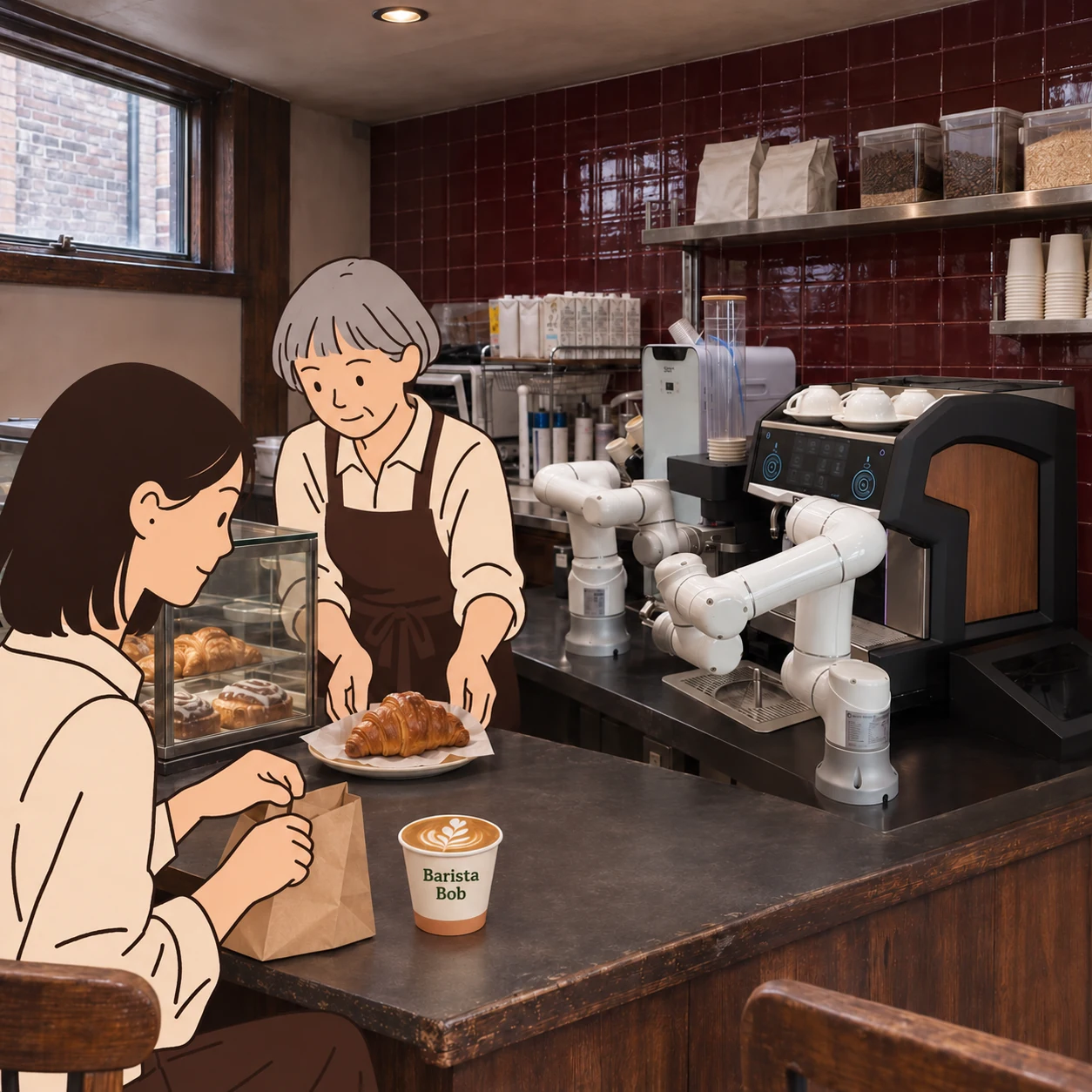
The owner decides how a cappuccino should taste: the espresso base, the sweetness of the milk, the temperature and the texture. A repeatable process makes those decisions easier to reproduce, not less important. Latte art may draw the eye; the balance underneath it is what warrants the next order.
- Set a taste target
- Taste repeatedly
- Keep the people visible
Give automation a defined job
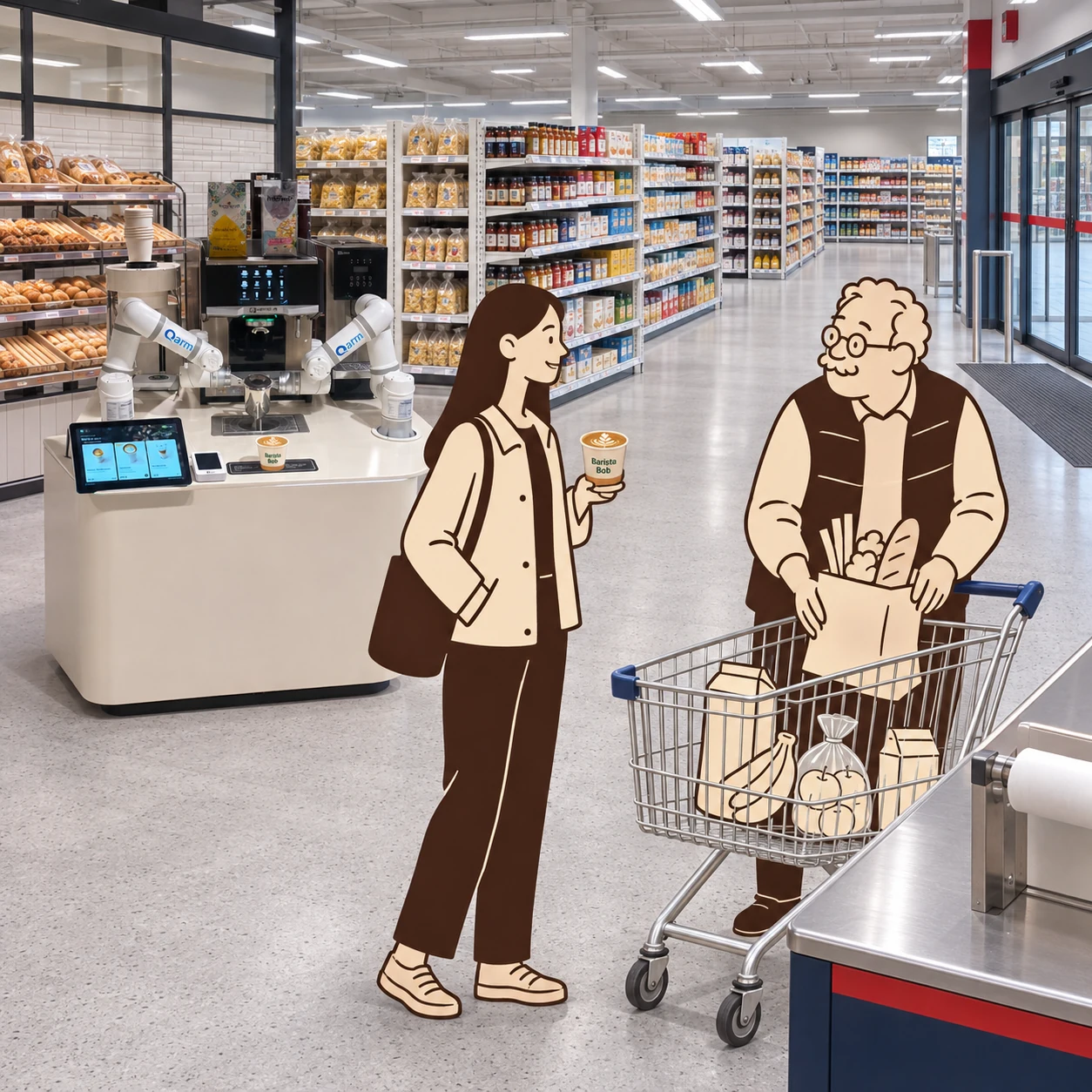
A small café could start with familiar milk drinks at a busy hour while the team continues advising guests, explaining beans and serving food. A bakery might test whether the station can supplement the counter without turning a quick bread purchase into a second queue. Neither setting needs to put every specialty on the screen.
Judge the routine, not the demo
Taste drinks across several shifts, including after refills and cleaning, and ask which drinks staff would recommend to a regular. Retain a smaller menu if it produces a more reliable cup. Count the time spent on handover and refills as part of the process, not as an exception.
A side-by-side tasting
Use the café's usual beans and compare the same drink made by the counter and by the station. Keep the cup size and recipe target fixed. Note sweetness, texture and finish before discussing the presentation. If the foam looks good but the drink is too hot or thin, adjust the recipe rather than introducing a new favourite to distract from it.