Ideas & Insights · Retail
One location is a good place to start.
A first location is useful when it tells you what you should change before opening the next one.
Name the question first
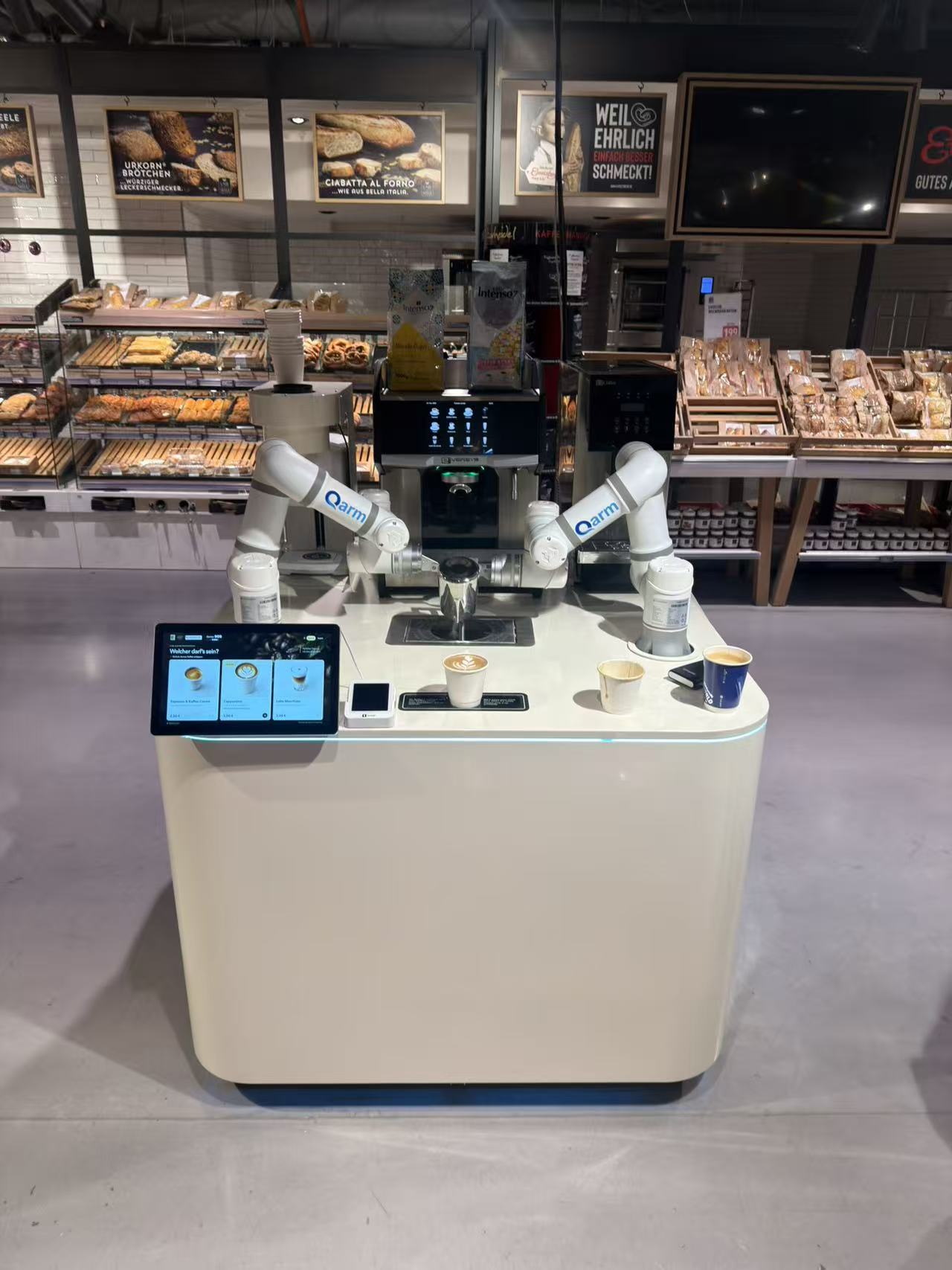
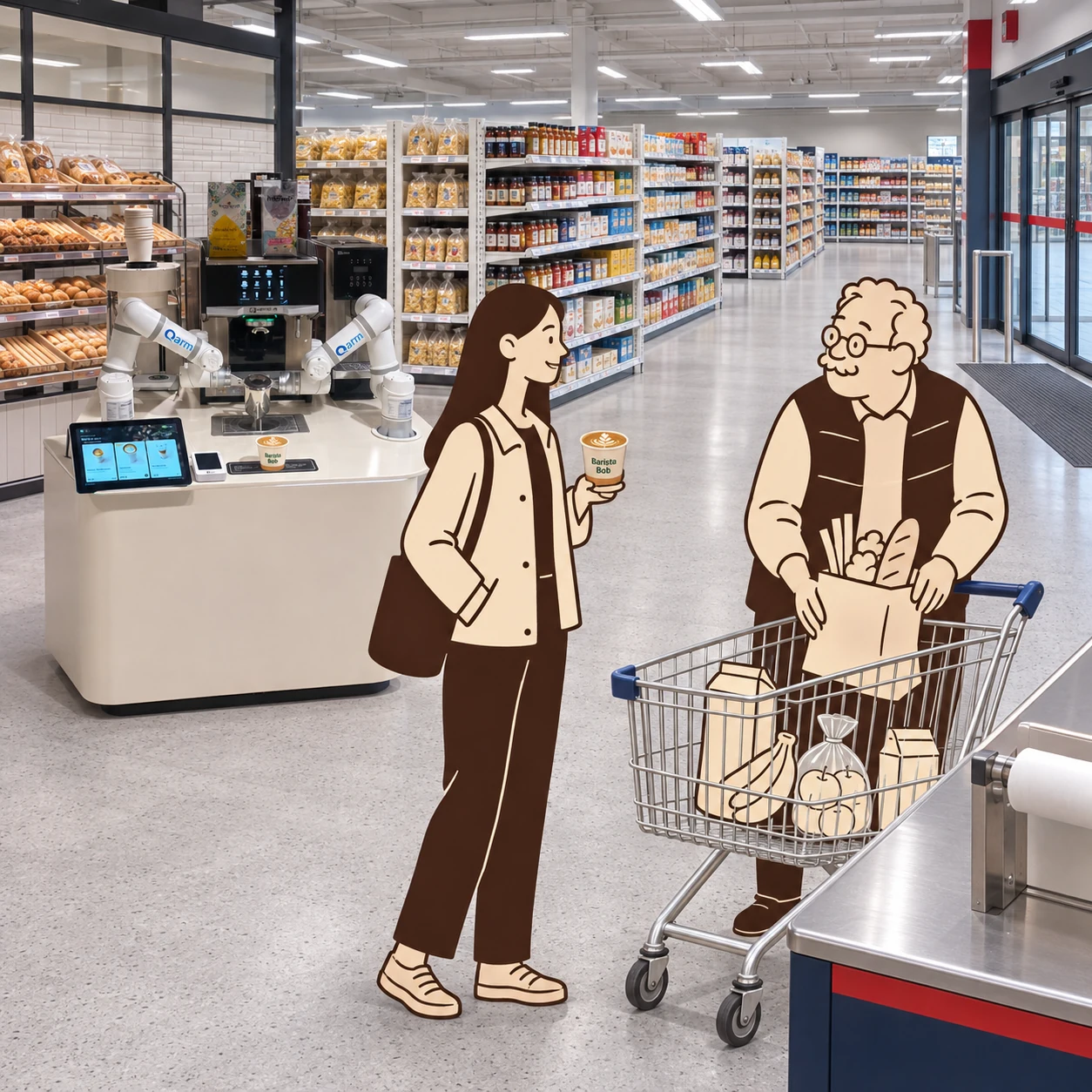
Choose a site that helps you answer a specific question: does a bakery stop become a coffee stop, or can an evening shift reach the benefit? Record existing demand, queues and service workload before installing. A prominent store may be the wrong trial if it is not representative of what you hope to learn.
- Observe and prepare
- Pilot and adjust
- Replicate only what works
Run it like an ordinary site
Prepare operations and train the people responsible for opening, refilling and resolving interruptions. Then trial a limited menu during normal days, observe what actually happens and make one change at a time. Record downtime, waste, refill effort and guest questions before deciding what sales mean.
Try a second context before committing
The useful sequence is preparation, pilot, adjustment and then selective replication. Agree on what would justify continuing, changing placement or stopping. Take the operating lesson to a second site; don’t assume its hours, queue or menu will behave the same way.
Write down a stopping rule
Before the trial, decide how long you will observe an ordinary pattern and who can pause service if queues or upkeep interfere with the host site. A sales bump does not override an access problem. If a revised placement solves the problem, record exactly what changed so the next site can learn from it.